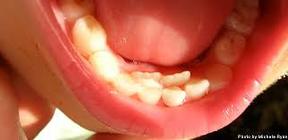
Many parents see no problem with giving their baby a bottle at naptime or when putting them to bed. The warm milk helps little ones fall asleep, but this common practice may not be as harmless as it appears. Baby bottle tooth decay is a potential problem that can affect your child’s growing smile, so if you want to avoid cavities and other similar issues, learn more about it and what you can do to keep their tiny teeth healthy. What Is Baby Bottle Tooth Decay?Baby bottle tooth decay, also called early childhood cavities, can affect infants and toddlers’ growing smiles. When consuming sugary milk, formula, or other liquids, the remnants can accumulate on their erupted primary teeth, allowing bacteria to break down the tooth enamel. The longer their teeth are exposed to the sugary substance, the greater the risk of cavities. Liquids such as breastmilk, formula, and juice are common culprits. Since these beverages are provided throughout the day or when putting them down for a nap, the sugar content stays on their enamel, causing harmful acids to build up and target the outer layer of their teeth. How Can You Help Your Baby Avoid It? One thing many parents express is that these teeth will fall out anyway, so why should baby bottle tooth decay be a big deal? The truth is that keeping them cavity-free until they fall out on their own paves the way for healthy permanent tooth eruption. Although your little one may prefer a bottle before naptime, there are other things to consider (and try) to reduce the risk of dental decay. You can:
About the Author Dr. Adrienne Archidiacono-Jeanis is a board-certified pediatric dentist who provides child-friendly services in our Aledo dental office. Working with little ones, including infants, she provides parents with important information about how to prevent cavities from forming in their child’s growing smile. Since baby bottle tooth decay is a real concern, she shares ways to reduce the risk while keeping babies happy, healthy, and satisfied. Visit our website or call (817) 383-2576 if you would like to discuss your baby’s oral health.
0 Comments
Are you ready to take off on a vibrant global adventure? As a parent, you hold the power to transform the loss of baby teeth into a celebration filled with wonder and excitement. Indeed, tooth fairy tales do more than spark the imagination; they help children embrace changes in their growing bodies. Let us discover how families around the world make this moment an unforgettable rite of passage. The United States and Other English-Speaking Countries You may already know full-well how the U.S. and other English-speaking countries often make an occasion out of lost baby teeth. Children tuck their teeth carefully beneath their pillows before drifting off to sleep. The anticipation builds as they wonder what delightful surprise will appear in place of their tooth. Parents get to become the nighttime magicians, slipping coins or small treasures under those pillows. The thrill of discovery in the morning becomes a cherished memory. Asia: China, Japan, India, Korea, and Vietnam Next, this exploration of tooth fairy myths goes to Asia, where ancient rituals turn tooth loss into an exciting adventure. Children in China, Japan, India, Korea, and Vietnam actually throw their lost teeth! Lower teeth fly upward onto the roof, while upper teeth drop down to the ground or get buried. This tradition reflects the belief that the direction of the throw influences the growth of the new tooth. Often, kids wish for their lost tooth to be replaced by a mouse tooth. Why would they want something in common with a rodent? Mice teeth never stop growing, so they are a fitting symbol of dental strength. Hispanic Countries Spain, Mexico, and other Hispanic countries introduce a charming new character: Ratoncito Perez, the beloved tooth mouse. Children place their lost teeth beneath their pillows, hoping Ratoncito Perez will collect them and leave a surprise gift. Some families follow a different ritual; the tooth goes into a glass of water. Overnight, Ratoncito Perez drinks the water and leaves a treat in the glass. This imaginative twist allows parents to personalize the celebration, offering gifts, notes, or small tokens tailored to their child. Mongolia Mongolia stands out with its unique customs. There, families place lost teeth in fat and feed them to a dog, believing the new teeth will grow as strong as a dog’s. If a dog is not available, the tooth finds a new home buried beside a tree. This practice links the strength of roots to the health and resilience of the child's new teeth. The loss of baby teeth does not have to be frightening for kids! A little imagination may make it easier for them to accept this new chapter of their life. Meet the Practice Dr. Adrienne Archidiacono-Jeanis is a board-certified pediatric dentist who is proud to serve the Aledo community. She and our team are enthusiastic about creating a welcoming and educational dental care environment for kids and their families. To learn more about us, get in touch at 817-383-2576. If you are a parent of a young child, you might have heard more about lip and tongue ties in recent years. These conditions, which involve thick or restrictive bands of tissue in the mouth (called frenums or frenulums), have become a prominent topic in both medical offices and parenting circles. With more parents seeking advice and treatment, you may wonder whether lip and tongue ties are actually becoming more common, or if something else is at play. This blog post explores possible reasons behind the uptick in diagnoses and offers guidance on how you can identify signs of a lip and tongue tie in your child. Are Lip and Tongue Ties Becoming More Common? Across the country, pediatric dentists report that more families are asking about lip and tongue ties and pursuing treatment for their children. However, this rise in diagnoses does not necessarily mean that the conditions are occurring more often in infants. At least two factors help explain why these issues seem to be on the upswing:
If you suspect your child might have a lip or tongue tie, watch for the following signs during feeding and daily routines:
When to Seek Treatment If you identify signs of lip or tongue tie that affect your child's feeding or comfort, it is wise to consult a pediatric dentist. These specialists have experience diagnosing and treating oral tissue concerns in infants. Treatment often involves a quick, minimally invasive procedure that safely releases the restrictive tissue, helping your child feed more effectively and comfortably. A lip or tongue tie could negatively affect your baby! Stay alert to signs of these conditions, and do not hesitate to reach out for professional help. Meet the Practice Dr. Adrienne Archidiacono-Jeanis is a pediatric dentist who serves the Aledo, TX, and Fort Worth area. She is trained in the use of lasers to provide comfortable and quick treatment for lip and tongue ties. If you are concerned that your infant might have one of these conditions, contact our practice at 817-406-2025. No doubt, your child’s smile warms your heart. It can be a true joy to watch that smile grow more mature as the months and years pass. In order for that smile to stay in good condition, though, you should have some basic knowledge about baby teeth and their importance. This guide provides some key facts that you should keep in mind: Babies Start Teething at around 6 Months of Age Your child’s first teeth should begin to come in when they reach about 6 months of age. Some babies may start teething a little earlier or later, but most will have their first tooth before their first birthday. Signs of teething include increased drooling, irritability, and an urge to chew on various objects. Baby Teeth Are Just as Important as Permanent Teeth Although baby teeth eventually fallout, they play a vital role in your child’s development. These teeth help your child speak clearly, chew food properly, and maintain space for future permanent teeth. Neglecting baby teeth can lead to pain, infections, and problems with the alignment of adult teeth later on. Babies Should Have Their First Dental Visit when Their Teeth Start Erupting Once you see your child’s first tooth erupt, you should schedule their first visit to the dentist. Early visits allow a professional to assess your child’s oral health, provide advice tailored to your child’s needs, and spot any potential issues before they become serious. The dentist can also discuss healthy habits and answer any questions you may have about your child’s teeth. Baby Teeth Need Thorough Oral Hygiene You play a key role in keeping your child’s baby teeth healthy. Use a soft, damp cloth to gently clean your baby’s gums even before teeth appear, then switch to a small, soft-bristled toothbrush once teeth erupt. Brush your child’s teeth twice daily with a tiny smear of fluoride toothpaste, and make sure to avoid sugary drinks and snacks that can lead to cavities. There Are Safe Ways to Soothe Teething Pain Teething discomfort is common, but you can help your child feel better with safe methods. Offer a chilled (not frozen) teething ring or gently massage your baby’s gums with a clean finger. Avoid teething gels and medications unless your pediatrician recommends them, as some ingredients may cause harm to young children. Baby teeth are pretty amazing! Pay close attention to your child’s oral development so you can set them up for a lifetime of healthy and confident smiles. Meet the Practice Dr. Adrienne Archidiacono-Jeanis is a pediatric dentist in the Aledo and Fort Worth area. She loves working with babies and their parents, and she is happy to answer questions about incoming teeth and how to take care of them. If you would like her guidance on how to care for your little one’s smile, contact our office at 817-406-2025 to request an appointment. When you think about digestion, you probably envision important internal organs, such as the stomach and intestines. The truth is, though, that the digestive process starts well before food reaches those areas. In fact, it starts in the mouth! In this blog post, we will explore the mouth’s role in digestion and provide information that may help your child to get the most benefit from their meals. The Mouth’s Role in Digestion The moment food enters the mouth, several important processes start to take place. The teeth, each with a distinct shape and function, work together to cut, tear, and grind food into increasingly smaller and more manageable pieces. This mechanical breakdown is crucial, since it increases the surface area of the food, making it easier for digestive enzymes to act upon it later in the process. At the same time, the salivary glands release saliva, which serves several purposes. Saliva contains water to moisten food, making it softer and smoother. It also contains enzymes such as amylase, which begin the chemical breakdown of certain nutrients, especially carbohydrates. The tongue assists in moving food around, mixing it thoroughly with saliva and forming it into a cohesive mass called a bolus. This preparation in the mouth helps to make swallowing safer and more efficient, reducing the risk of choking and supporting the subsequent stages of digestion. What if Your Child Is Not Chewing Properly? Indeed, chewing food plays a crucial role in helping the human body get the most out of its food! But what if it seems like your child is not chewing properly? The source of the problem may be related to dental health. Unresolved dental issues can create barriers to effective chewing, which can disrupt healthy digestion and even lead to discomfort during mealtime. Cavities may cause pain when biting or chewing, while misaligned teeth can prevent food from being broken down evenly. Gum discomfort or infections may also contribute to a reluctance to chew thoroughly. When food enters the digestive tract in larger chunks because it was not adequately chewed, the stomach and intestines must work harder. This can result in digestive discomfort or even nutritional imbalances because nutrients may not be absorbed efficiently. Dental Care Promotes Proper Chewing and Digestion Addressing dental concerns through regular visits to your child’s pediatric dentist allows for early detection and treatment of issues such as cavities, misalignment, and gum disease. The dentist may suggest treatments or preventive measures, such as dental sealants, orthodontic evaluation, or improved oral hygiene practices at home. The mouth is the gateway to the human body, and it needs to be well cared for! If you notice that your child is struggling to bite and chew properly, now is the time to consult a qualified dental professional. Meet the Practice Dr. Adrienne Archidiacono-Jeanis, affectionately known as Dr. A, is a board-certified pediatric dentist in Aledo, TX. She and our team can identify and address many of the dental issues that hinder proper chewing and digestion. To learn more about us or to request a consultation for your young one, contact our office at 817-406-2025. As a conscientious parent, you have probably already taught your child about germs — microscopic critters that can cause illness if they are allowed to go unchecked. That is why handwashing is so vital! But the importance of managing microorganisms goes even further than that. You also have to be mindful of your child’s oral microbiome! What is the oral microbiome, and what is its importance? This blog post explains what you should know. What Is the Oral Microbiome? The oral microbiome refers to the community of microorganisms living in your child’s mouth. These tiny organisms include bacteria, viruses, and fungi. While some bacteria are harmful, many are beneficial and support oral health. The balance of good and bad microorganisms can change due to diet, hygiene habits, or illness. Managing this microbiome can play an important role in supporting your child’s oral and overall wellness. The Importance of the Oral Microbiome in Oral and Overall Health A healthy microbiome is important! When the helpful bacteria in your child’s mouth are allowed to thrive, they support important functions, such as aiding in the remineralization of tooth enamel and fighting off dangerous infections. On the other hand, if harmful bacteria are allowed to flourish, a number of problems can result. For example, your child might experience:
How to Help Your Child Maintain a Balanced Oral Microbiome You play a key role in shaping your child’s oral microbiome! By encouraging good habits and providing age-appropriate education, you can set them up for a lifetime of balanced oral bacteria that support their body’s wellness. Here are some important steps you should take:
The human oral microbiome is amazing! Help your child manage the microorganisms in their mouth so their smile can thrive for the long haul. Meet the Practice Dr. Adrienne Archidiacono-Jeanis is a highly skilled pediatric dentist who is proud to serve families in the Aledo and Fort Worth area. She loves to help young smiles thrive, and she is always pleased to answer parents’ questions on how they can support their children’s oral health. To learn more about her or to request an appointment with our team, contact Aledo Pediatric Dentistry at 817-406-2025. You want your child to have a healthy smile, so you may be making efforts to teach them the importance of regular brushing and flossing. Certainly, those habits are vital! However, you might accidentally overlook another practice that could play a role in keeping your child’s smile in great shape: tongue scraping. In this blog post, you will learn why it is so important and how you can assist your child with it. The Benefits of Tongue Scraping Keeping your child’s tongue clean via scraping can offer several benefits:
Kids can usually start scraping their tongue around age 5. Before then, you may simply need to clean their tongue with a cloth. Here are some tips for effective tongue scraping for children:
Meet the Practice Dr. Adrienne Archidiacono-Jeanis, known as Dr. Adrienne, is happy to work with families throughout the Aledo area. She strongly encourages tongue scraping due to its significant benefits. If you have questions about how you can make your child’s oral hygiene routine as effective as possible, she and our team would be pleased to speak with you. Contact our office at 817-406-2025. Praise is powerful! When it is used as a training tool for kids, it can improve their self-confidence and encourage the development of good qualities and habits. The influence of praise even reaches into children’s oral health. In this blog post, you will discover helpful information on why and how you should praise your little one for brushing their teeth. Why Is Praise So Important?A study conducted by researchers at the University of Pennsylvania had the goal of determining how parental praise influenced children’s persistence in brushing their teeth. The participants in the study came from a variety of ethnic backgrounds and income levels. One of the researchers stated, “Our work is the first to show that fluctuations in parent praise relate to fluctuations in child persistence.” Of significance is the fact that the study found that children showed more persistence in brushing when they received more praise about their efforts and fewer concrete instructions on how to brush. Most of the praise consisted of parents saying things like “very good,” “nice job,” or other phrases along those same lines. How to Praise Your Child for Brushing Their TeethHere are a few tips to help you deliver effective praise to your child:
Meet the Practice Dr. Adrienne Archidiacono-Jeanis, affectionately known as Dr. Adrienne, loves to serve families in the Aledo area. As an accomplished pediatric dentist, she is eager to work with kids of all ages and personality types. If you would like her advice on how you can encourage good habits in your child, contact our office at 817-406-2025. If you have recently discovered that your child needs a frenectomy to treat their lip or tongue tie, you might understandably be a bit nervous about the road ahead. After all, your little one has to undergo surgery! The good news is that a frenectomy is a minor procedure, and the healing process is easy for most patients. How long will it take for your child to recover, and how can you help them during their post-op period? This blog post provides some helpful information. Recovery Timeline If your child is still an infant, they will likely be able to breastfeed immediately after their procedure. Even though they might cry more than usual for a few days or be extra fussy, they should heal rapidly. In fact, complete healing usually takes just a few weeks. If your child is a bit older, you are still looking at a recovery period of a few weeks. In the meantime, you may need to be careful to limit your child’s food choices so they do not eat hard, crunchy, or very hot foods that might irritate their sensitive oral tissues. Help Your Child Heal Here are a few more tips to help your child enjoy an easy and smooth recovery after their frenectomy:
Prevent Reattachment Your child’s oral tissues might try to reattach even after a frenectomy has removed their lip or tongue tie. You should do your best to prevent that from happening. Their dentist can show you exercises and stretches that can keep your child’s body from undoing their surgery. For example, you might need to run a clean finger under their tongue or behind their lip. Older children can perform exercises on their own, but they might need adult supervision and frequent reminders to comply with post-op directions. The frenectomy recovery process is not too scary! Before you know it, your child should be back to feeling like their normal self. Meet the Practice Dr. Adrienne Archidiacono-Jeanis is a skilled pediatric dentist who is proud to serve families in Aledo and Fort Worth. She uses a gentle soft tissue laser to perform frenectomies; laser-based treatment tends to be easier and have a shorter recovery time than procedures performed with conventional instruments. To learn more about this service, contact Aledo Pediatric Dentistry at 817-406-2025. You have probably heard of “the terrible two’s,” which refers to the behavioral issues that toddlers often go through between the ages of 2 and 3. What you might not know about this challenging time is that your child’s teeth might be contributing to the problem! Let’s talk about the two-year molars, what you can expect, and how you can provide comfort to your precious little one.
|
Dr. A, BS, MS, DMD, MSDArchives
November 2023
Categories |